By: Kaylie Awalt, Medical Sciences BSc student, Outreach Assistant, Office of Community Engagement
On September 29th, I had the opportunity to attend Dalhousie University’s 16th annual Mawio’mi. What was originally planned for Studley Quad was moved into the McInnes Room in the Dalhousie Student Union Building because of the rain. Although the change in location was unexpected, it did not take away from the energy of the day. As soon as I entered the room, it was clear that the Mawio’mi was much more than a campus event. It was a space filled with culture, connection, celebration, and community.
The Mawio’mi brings together Indigenous and non-Indigenous community members to celebrate and share Indigenous cultures through dancing, drumming, singing, food, art and storytelling.
Walking around the event, I was struck by how many different opportunities there were to learn and connect. Vendors and educational booths filled the room, creating opportunities to speak with community members, explore artwork and crafts, and learn more about Indigenous cultures and communities.

Photo courtesy of @dalnmss, used with permission
Experiencing the energy of the Mawio’mi
The part that stood out the most was the drumming and dancing. The performances brought an incredible energy to the room. The sound of the drums, the singing and the movement of the dancers made it difficult not to feel connected to what was happening around me.
There was something especially powerful about watching people come together through dance. The intertribal dances also invited people from different backgrounds to participate, creating a welcoming atmosphere where attendees could join in rather than simply watch from the sidelines
For me, this was one of the most memorable parts of the Mawio’mi. It showed how cultural sharing can create connections between people who may come from very different backgrounds. The room felt alive with exhilaration, and it was incredible to see so many people participating and celebrating together.
The presence of younger students was another part of the day that stood out. Seeing children and youth experiencing the Mawio’mi, learning from the vendors and watching the performances was a reminder of how important it is to create opportunities for young people to connect with Indigenous cultures. It was also meaningful to think that some of these students may one day return to campus as Dalhousie students themselves.

Photo courtesy of @dalnmss, used with permission
Making space for reflection
The Mawio’mi was also particularly meaningful because it took place just one day before the National Day for Truth and Reconciliation and Orange Shirt Day. While the day was filled with celebration, it also created space for reflection.
Being surrounded by Indigenous culture, community and celebration so close to Orange Shirt Day encouraged me to think about the importance of learning about the history of residential schools and listening to Indigenous voices. Truth and reconciliation are not limited to one day of the year. Events like the Mawio’mi provide an opportunity to continue learning and having conversations about Indigenous histories, cultures and experiences.
What I appreciated most about the Mawio’mi was that it did not separate learning from celebration. Both were present throughout the day. There was space to learn something new, ask questions, experience music and dance, connect with others and simply enjoy being part of the community.
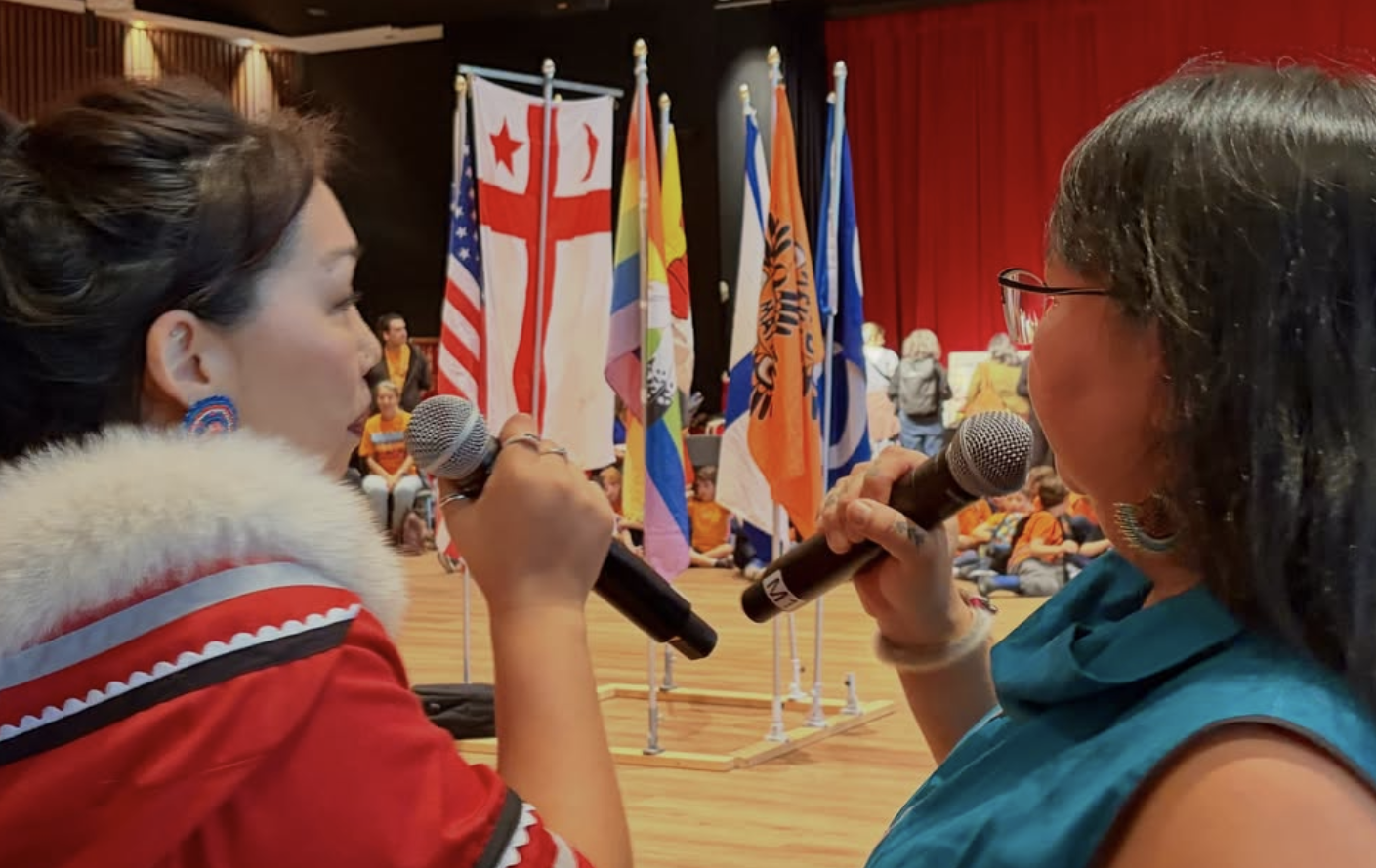
Photo courtesy of @dalnmss, used with permission
More than an event
Leaving the Mawio’mi, I found myself thinking about how much can happen when a campus creates space for community and cultural sharing. The sounds of the drums, the incredible dancers, the conversations at the vendor tables and the excitement throughout the room all contributed to an experience that felt welcoming and meaningful.
The 16th annual Mawio’mi reminded me that events like this are not only opportunities to celebrate culture, but also opportunities to listen, learn and build connections. For me, it was a meaningful experience to witness the strength, joy and sense of community throughout the day.
As Dalhousie continues to host the Mawio’mi each year, I hope it continues to be a space where Indigenous cultures are celebrated, knowledge is shared and people from across the community can come together, learn from one another and participate.
To learn more:
Connect with Indigenous Culture in Nova Scotia
Truth and Reconciliation Commission of Canada: Calls to Action