
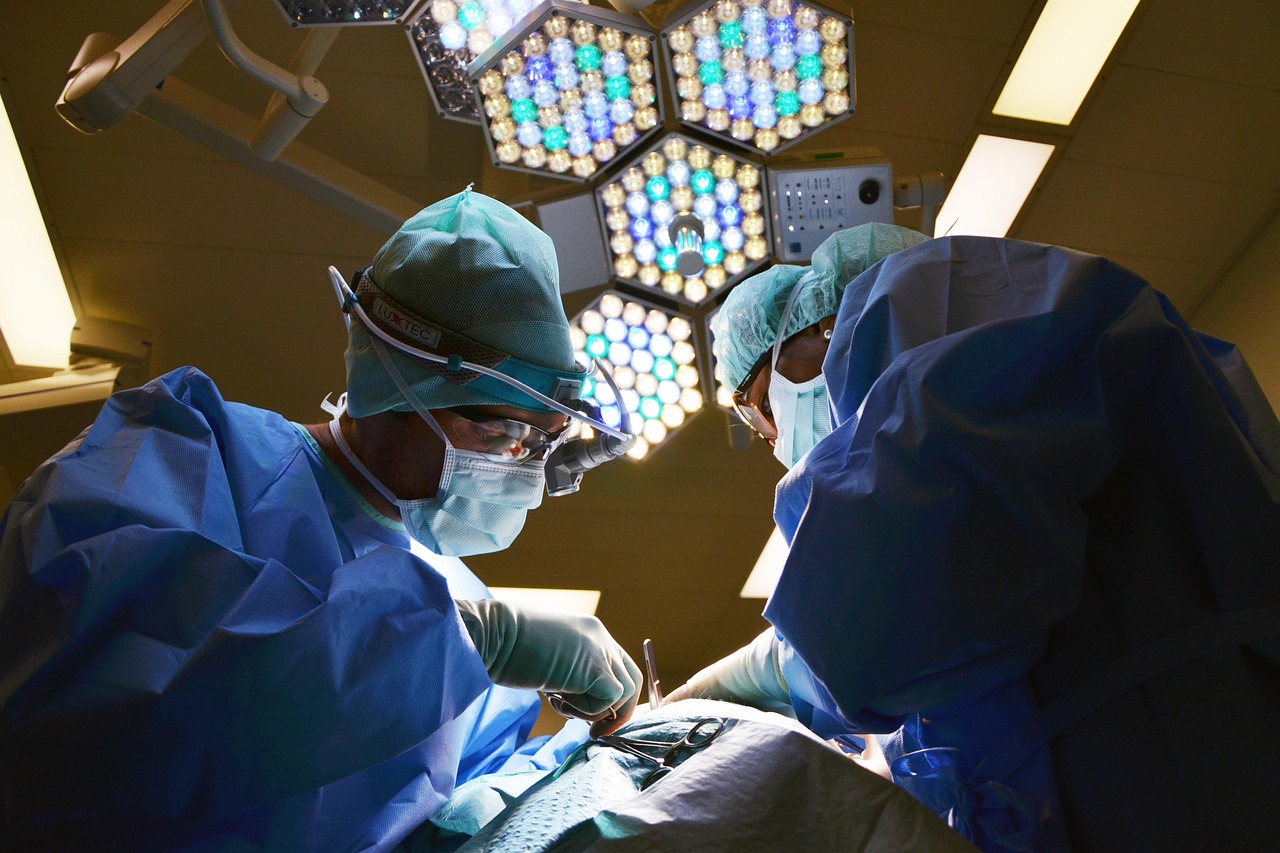
So far, I have written about the idea of the rite of passage, both in its early 20th-century context as it was applied in anthropological studies and as it is relevant to modern experiences of growth, change and social identity. My doctoral research examines the utility of this framework for understanding modern-day medicine. I am especially curious how medical professionals who assist people through life-defining moments such as birth and death think about this type of transformation in their work.
In this post, I want to consider the application of a rite of passage framework in medical spaces. Is it feasible or reasonable to do so? How might consideration of this framework shape patient care? And what does it have to do with the hands-on work of a medical professional?
Because rites of passage reflect deeply personal aspects of our lives and relationships, they may seem irrelevant for medical professionals in the process of diagnosis and treatment. Over the past few decades, medical care has changed in its approach towards patients whose lives, knowledge and preferences now hold greater weight in a patient- or people-centred model of care. Sociologists have posited many reasons for this change, including a discipline-wide desire to address historical mistreatment of marginalized people.
Medical care has also changed its diagnostic approach from treating illnesses as a personal failure or in isolation to recognizing the interlinked nature of illness and social life. For example, addiction is now thought of as a disease that arises from genetic factors in addition to life circumstances. This relational, contextualized approach mirrors that of person-centred care, where illnesses as well as treatment are thought about in the context of the person’s life.
This shift in medical practice affects not only how the illness is treated but also how treatment itself is structured. It can determine how the care is offered, where a greater variety of options may be presented, more choice made available or procedures are explained for their impacts of physical mobility or changes in needs with reference to the specificities of a patient’s life.
Medical professionals may benefit from understanding a framework such as the rite of passage when it comes to considering their impact on their patients’ lives. Recognizing that someone may view a treatment or diagnosis as signaling the end of a former life and the beginning of a new one can help increase compassion for the person in care. Reflection on the impact of the treatment or diagnosis can help tailor the type of support offered to the person’s life.
Up until now, I have discussed medical professionals as a group without much specificity in terms of role. This group, after all, includes every position from a family physician to a specialist, to a nurse, to a continuing care assistant. Is the rite of passage framework relevant to all of them? Even though not everyone in the category of “medical professional” will have a role or responsibility that directly impacts someone’s experience of their care, person-centred care has been increasingly prioritized in many medical settings. This is to ensure that medical care of all types supports a person in all forms of health: mental, physical, spiritual and social. Recognition and respect for rites of passage in care is relevant to each medical professional, but the way each worker will interact with this idea depends on their authority, status and jurisdiction. Let me explain using an example.
A person needs to have their wisdom teeth taken out. Typically, wisdom teeth are removed when they cause pain or threaten infection. The removal of wisdom teeth in this situation is a medical procedure rather than social: it prevents future health risks and is done based on strong evidence that it improves quality of life. But the person losing their wisdom teeth may also feel like they are moving into adulthood by having these teeth removed, having undergone the same surgery as others who look back on it as a “before and after” period of life. These feelings may come from hearing their parents, family or friends describe wisdom teeth removal as something that happens in early adulthood, which is a social and cultural phenomenon rather than true biological state. How much weight gets put on the operation is up to each person and each society.
For the dental surgeon, whether the person losing their wisdom teeth thinks about the removal as a rite of passage may be completely incidental (excuse the pun) to the procedure. The surgeon is nonetheless participating in what could be perceived as a major point of transition in another person’s life.
What I think is interesting about the role of professionals in this whole process of meaning making is that they are not only responsive to societal views of their work, but they also shape them. This may be more apparent in life-changing moments broadly recognized as such: for example, obstetricians are venerated and well-paid, because childbirth is societally important. This, in turn, shapes how we experience, respect and accept the care of the professional. The status of a profession also ultimately influences the way those rites of passages play out—what we transition to, what meaning that former “self” left behind holds and the importance of that transition in the rest of our lives.
The dental surgeon performs a routine surgery. But childbirth is as routine as it gets, in terms of frequency. What makes the routineness of childbirth stand apart from dental surgery, and obstetricians from dental surgeons, is the cultural importance of the event and associated risk with either instance. These combine to strengthen the authority of the professional involved. Professionals whose work involves the support and care of culturally-recognized rites of passage become more prestigious, and this prestige provides them the authority to ensure the supremacy of their work.
I’m drawing from Eliot Freidson’s work on the profession of medicine for an overall framework here. In the introduction to his 1970 canonical-to-sociology-of-medicine text, Profession of Medicine: A Study of the Sociology of Applied Knowledge he writes,
“…the profession changes the definition and shape of problems as experienced and interpreted as the layman. The layman’s problem is re-created as it is managed—a new social reality is created by the profession. It is the autonomous position of the profession in society which permits it to re-create the layman’s world.” (pp. xvii)
Freidson was concerned with describing the scope and scale of power afforded to professions as well as discerning where that power “came from.” For him, it is a combination of increasingly effective and reliable treatment, a unification of physicians as the heads of medicine and increased education of the public that led to medicine becoming a dominant profession in the 20th century. His analysis is useful here as we consider more contemporary changes to medical practice, which incorporate the perspective and desires of the patient in their care.
Rites of passage require that the person’s transformation is societally recognized. Although it is a common framework for understanding role changes, it is just one. Transformation may be conceptualized in many different ways. A carer’s openness to understanding that transformation’s societal and personal meaning can shape medical care for the better.
Coming up next month, I will consider what “care” is. Who determines the meaning of care? What happens when the care that is offered is not accepted? I will review some ethicists working in the care work field and consider how care as an emotionally-charged experience can also be a job requirement.
Image by marionbrun from Pixabay


