
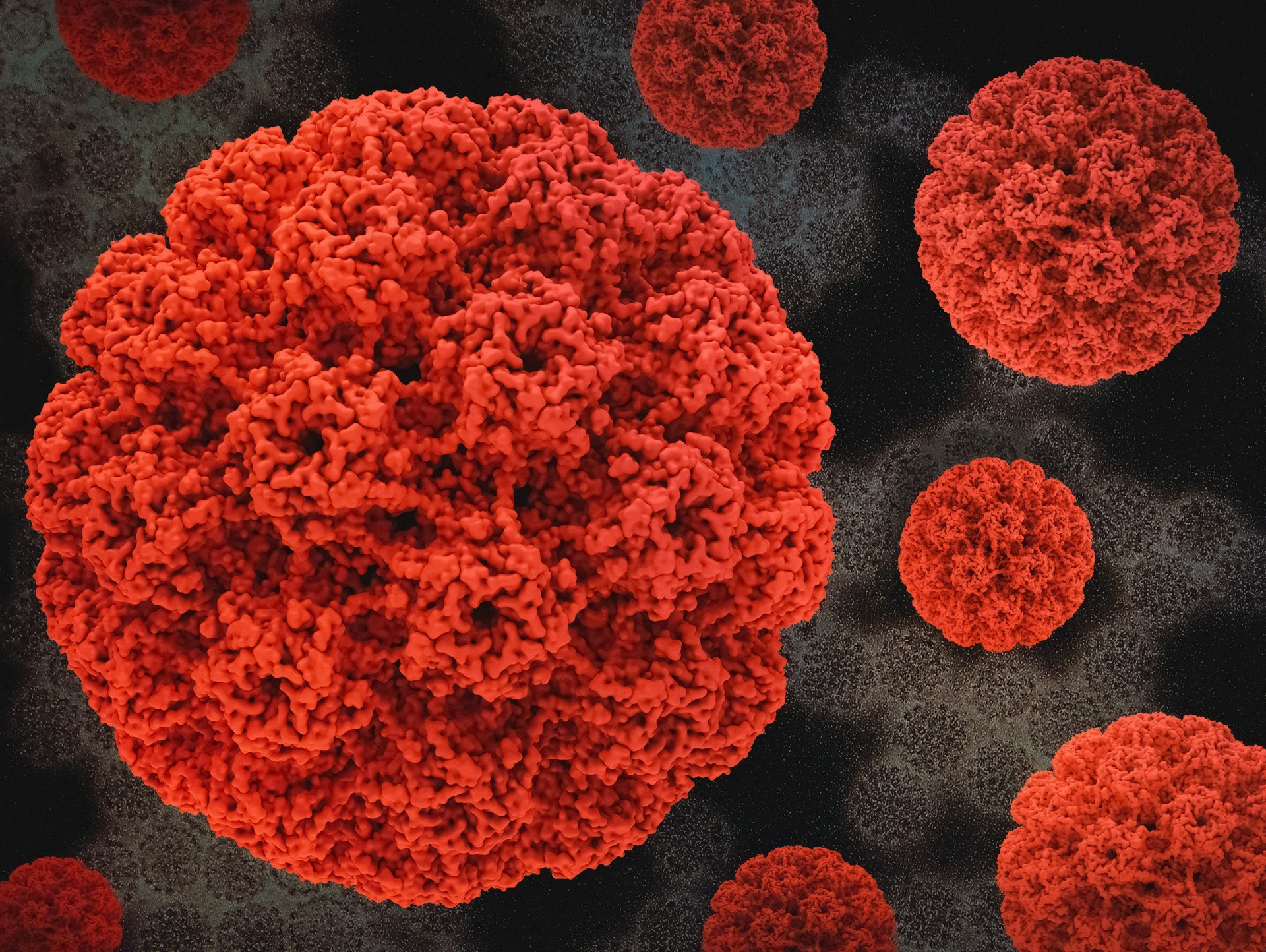
Imagine learning that more than 75% of sexually active individuals will contract an infection that can negatively impact their health, and in some cases, even cause cancer. As scary as that sounds, this is the case for the Human Papillomavirus, or as many know it, HPV. With more than 200 different types of the virus, HPV is the most common sexually transmitted infection in Canada and worldwide. Importantly, however, not all HPV infections are dangerous, with more than 90% resolving on their own, never showing any symptoms or requiring treatment. With this, you might be wondering about the other 10%. This is exactly what my first blog post aims to walk you through – a “crash course” on what HPV might mean for your (and your loved ones’) health and well-being.
The first group of HPV-related health conditions that I will outline are cancers. Many people recognize HPV’s role in causing cervical cancer, but you might be surprised to find out that it is also responsible for 90% of anal cancers, 60-73% of throat (oropharyngeal) cancers, 40-50% of penile cancers, as well as 40% of vaginal and vulvar cancers. Beyond its cancer-causing ability in both males and females, throat cancer is now the most common HPV-related cancer in Canada, with one study reporting 80% of new diagnoses in men. Additionally, data from the Canadian Partnership Against Cancer in 2022 reports a concerning trend–increasing rates of cervical cancer in women. Together, these are just a few reasons why universal and inclusive HPV prevention must be of critical public health importance.
Genital warts – which resemble cauliflower-like growths on the skin – are another common HPV-related health condition. According to the Government of Canada, genital warts impact between 113 to 154 per 100,000 people. Genital warts do not typically pose the same risks to health as cancer, but are associated with immense physical, psychological and emotional distress. In addition to being more common amongst sexually active men, treatment of genital warts often requires frequent medical procedures due to their high rates of recurrence. This tendency to persist, along with the ease of transmission through sexual activity, contributes to some of the challenges faced when navigating this heavily stigmatized HPV-related health condition.
Having explored some of the most common HPV-related health conditions, I am excited to share that many of these can be prevented through vaccination. Currently, the National Advisory Committee on Immunization (NACI) recommends HPV vaccination for all Canadians between 9 and 26 years of age, with some provinces and territories including men who have sex with men, transgender people and those with weakened immune systems until 45 years of age. However, vaccine uptake remains below national targets, with recent data reporting approximately 84% uptake amongst 17-year-olds in 2021, and only 17% uptake amongst adults (18 years of age and older) in 2023. As such, many people remain unvaccinated against HPV, leaving them (and others) at risk for potentially preventable health outcomes.
I hope you now have a better understanding about HPV and its many health outcomes, as well as an appreciation for the importance of vaccination. In the coming months, I will use my time as an OpenThinker to open up the conversation about HPV by exploring different aspects of prevention, addressing common misconceptions, as well as shedding light on certain high-risk and under-vaccinated populations. Join me next month where I will explore the historical evolution of HPV vaccination programs in Canada and share some information that might help you decide if (and when) the HPV vaccine is right for you.
For now, I leave you with the following questions to consider:
- Are you vaccinated (or interested in getting vaccinated) against HPV?
- Could you (or someone you know) benefit from learning more about HPV vaccination?


