
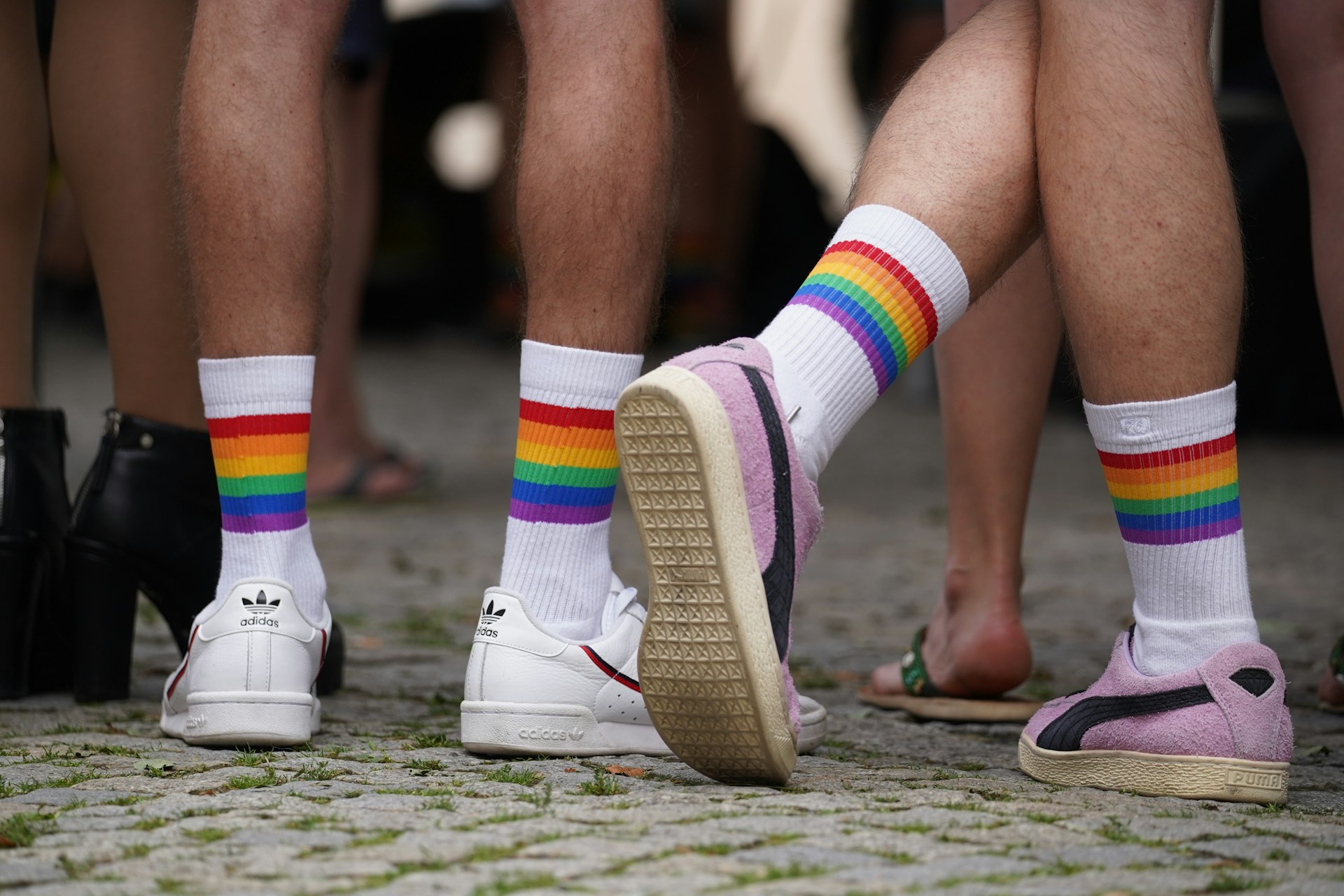
We often hear that some members of the population are more at risk of being negatively impacted by infectious diseases than others. In the case of the Human Papillomavirus (HPV), one group that experiences high rates of infections and disease is men who have sex with men (MSM). The term MSM refers to cisgender (individuals who identify with their sex assigned at birth) or transgender (individuals who do not identify with their sex assigned at birth) men who engage in sexual activity with other men, including Two-Spirit, straight, gay, bisexual and queer men. Throughout this blog post, we will explore some of the risks that HPV can have for your health and well-being, learn how vaccination can help protect you and discuss its importance for public health.
What are the risks of HPV in MSM?
In addition to HPV-related penile and throat cancers, MSM are at risk of anal cancers. In fact, one study reported that high-risk anal HPV infections (those that can lead to cancer) were found in 41% of MSM, compared to only 7% in men who have sex with women. In other words, more than 2 in 5 MSM will encounter a high-risk anal HPV infection that could develop into cancer. Importantly, not all HPV infections develop into cancer. According to the Canadian Cancer Society, most HPV infections actually clear on their own without ever needing treatment. Genital warts are another common HPV-related health condition, with one study reporting that roughly 60% of MSM experienced an occurrence at some point in their lifetime. By recognizing some of the common HPV-related diseases in MSM, we can begin to understand why prevention–specifically, vaccination–is critical.
Are MSM vaccinated against HPV?
To fight high rates of HPV infections amongst MSM, many Canadian provinces and territories have expanded their publicly funded HPV vaccination programs to include members of this community. For example, Nova Scotia offers the HPV vaccine free-of-charge for MSM up to age 46, while many other provinces and territories include MSM up to age 26. HPV vaccination is highly effective at preventing some of the most common types of infections that cause disease; however, vaccine uptake in MSM is low. According to a multi-city Canadian study, 65% to 74% of MSM were unvaccinated against HPV between 2017 and 2019. Common factors influencing HPV vaccine uptake amongst MSM include low knowledge about the infection, lack of (or inconsistent) healthcare provider recommendations and health promotion’s main focus on cervical cancer prevention. With many MSM unprotected against HPV, research focused on increasing vaccine uptake is needed to prevent the spread of infection, as well as decrease rates of cancers and genital warts.
Why is low HPV vaccine uptake in MSM important?
One of the reasons low HPV vaccine uptake in MSM is concerning is because they do not directly benefit from higher vaccination coverage in women and girls. In other words, while men who have sex with women may indirectly benefit from higher rates of HPV vaccine uptake in women (through effects of herd immunity), this protection does not necessarily extend to members of the MSM population. Therefore, there is a need to develop effective public health strategies designed to help increase HPV vaccination coverage amongst MSM. This is exactly what my doctoral research aims to achieve: a better understanding of how MSM make decisions about HPV vaccination, and how we can use the findings to create more equitable and inclusive public health interventions.
Where to from here?
Working to improve HPV prevention in MSM is critical to ensuring that everyone can experience the benefits of vaccination. With this, I leave you with the following question to consider:
– What is one piece of information you can share with a friend about the importance of HPV prevention in MSM?
Join me next time, where I will be releasing a podcast discussing HPV prevention featuring a very special guest!
Photo by Julian Schneiderath on Unsplash


