
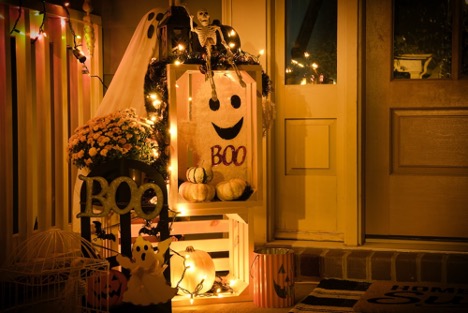
The arrival of October marks a busy time for one of Canada’s most important community rituals, Halloween, and food is front and centre. Pumpkins are carved, gourds are used as decorations and of course candy is eagerly anticipated by young and old alike. Ask any child and they will regale you with stories about their favorite candy, and costumes.
The pandemic disrupted this ritual in many ways; but pre-pandemic candy spending in Canada was roughly $550 million in October 2018. While Halloween wasn’t entirely cancelled for 2020 or 2021, fewer people indicated they would participate – less than 50% indicated that they would give out candy. Ironically, fear threatened to end the one holiday in which both children and adults alike revel in fear and the scary.
Halloween is not a holiday where family and friends around the dinner table for a big meal. Rather Halloween food traditions have ancient beginnings – the Celtic festival of Samhain – that celebrate the dead and give people control over their fears of death.
Samhain is an ancient Celtic festival that marked the end of harvest season. Yet, Samhain is not simply a harvest celebration. The Celts believed that during Samhain, the spirits of the dead would mingle freely among the living. Food and wine would be offered to the dead and the living would disguise themselves in hopes of leading the unwelcome souls out of their village.
Of course, traditions are not static, and Halloween has been adapted to our culture over time. After WWII, Halloween was seen as a form of civic engagement by the newly emerging North American middle class. Trick-or-treating became a staple of the holiday and neighbours offered candied applies, homemade cookies in the shape of pumpkins, ghosts and witch hats. Frosting was orange and black, perhaps an unknowing nod to the autumn harvest and the long dark winter to come.
The North American Halloween tradition changed with the advent of mass-produced candy, costumes, and decorations. Children and adults alike still celebrate and enjoy one of the most whimsical rituals we hold onto as a society. Yet, as the ancient ways of dealing with fear are replaced with consumerism, perhaps we’ve lost that collective control over things that frighten us, such as COVID-19. More worrisome, we risk losing the civic engagement that centres around community trust and cohesion through the offering of food.
Modern Halloween has little to do with its pagan or religious roots. Indeed, the dependence on unopened candy wrappers, the scare of razor blades and the isolation and fear caused by the Covid-19 pandemic has made Halloween a scarier prospect for adults for all the wrong reasons.
Yet, we don’t want to lose this connection to one another or our communities. Halloween offers a way through the anxiety and isolation that the global pandemic brought. There are many ways communities can foster civic engagement, but Halloween is one of the most beloved. With costumes and candy, stories about ghosts and witches that thrill, kids love Halloween, making it an excellent occasion for bringing together a neighbourhood. It’s ok to have a healthy fear of the Covid-19 virus, but let’s use Halloween, and all its whimsy and candy, to take back our control over that fear, just like the Celts did.


