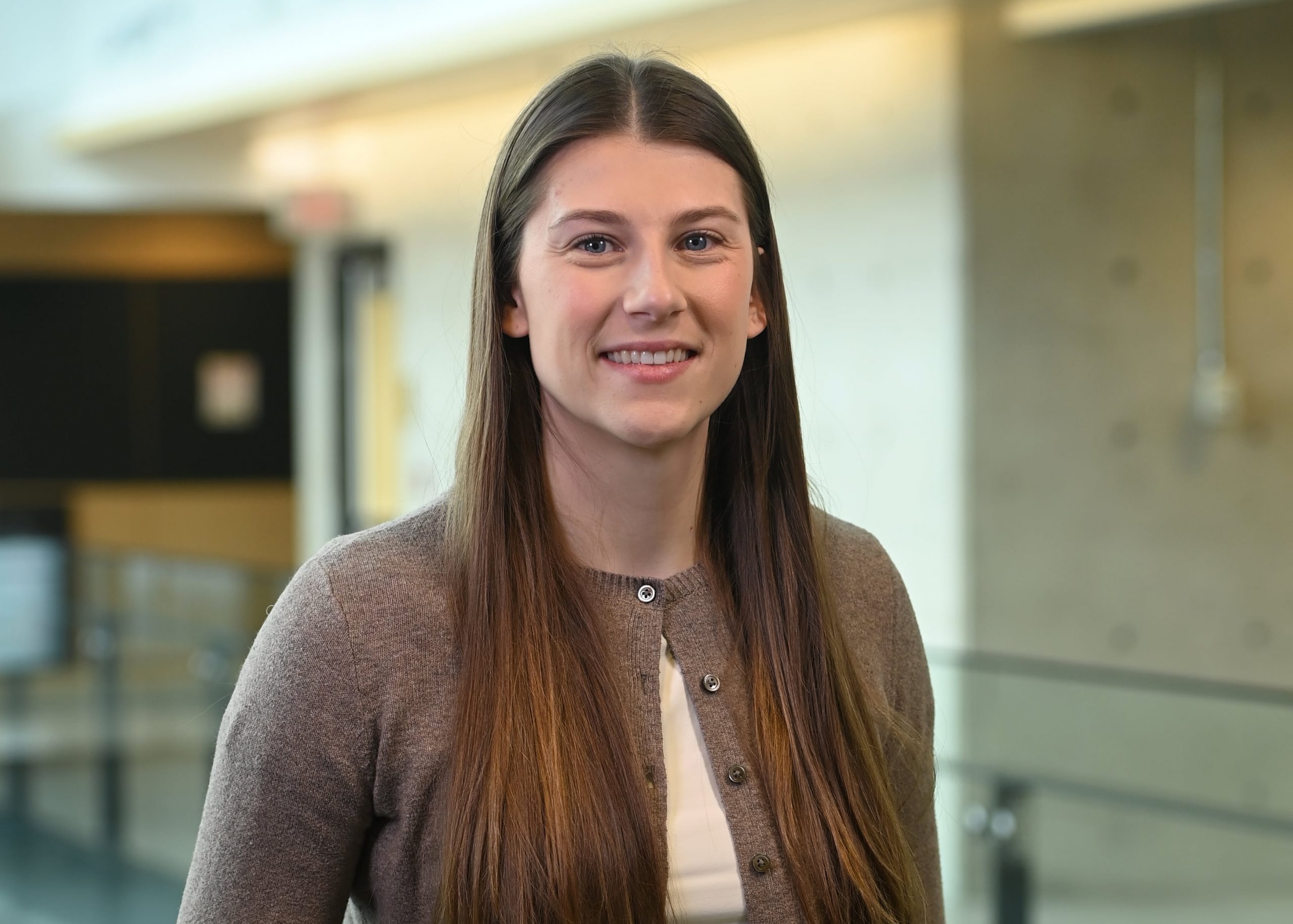
October is breast cancer awareness month. This month serves as a reminder of how far we’ve come in understanding breast cancer and how continued research is vital to developing more effective and personalized treatments. When it comes to treatment, several factors guide the medical team’s approach. The stage and grade of the tumor determine the treatment plan. Other factors also contribute, like the patient’s preference, overall patient health, and presence of biomarkers.
There are six main treatment routes: Surgery, Radiation therapy, Chemotherapy, Hormone therapy, Targeted therapy and Immunotherapy.
Surgery – Often the first line of treatment for early-stage cancer. Options range from a full mastectomy (removing the whole breast) to breast-conserving surgery (removing only the tumor itself and some normal tissue around it).
Radiation therapy – Uses high-energy X-rays delivered from outside of the body to kill the tumor cells.
Chemotherapy – Uses drugs to stop the growth of cancer cells. Chemo can be given through the veins or taken by mouth. How it reaches the tumor is through entering the bloodstream!
Hormone therapy – Is used for hormone sensitive tumors, meaning tumors that grow when more of a hormone is present in the body! They work by blocking the body from making those hormones or how the hormones interact with the tumor.
Targeted therapy – Focuses on specific molecules, or biomarkers, that drive cancer growth and then therapies are designed to target these.
Immunotherapy – Help a person immune system fight cancer; by helping it recognize and attack the cancer cells. Pembrolizumab is a popular therapy used to treat triple negative breast cancer because these cancers have PD-L1 protein expression and the drug targets its receptor.
Each year, many new therapies enter clinic trials to improve survival and reduce side effects for patients. My work contributes to this effort by identifying some important molecules inside breast cancer cells that could be new candidates for targeted therapies in the future. By understanding these molecular mechanisms, we hope to design treatments that are effective and less toxic.
Photo by Klaus Nielsen