
As a cancer researcher, the number one question I am asked is whether I have found “The Cure” yet. The number two question is where I think “they’ve” hidden it. While I (and the hundreds of thousands of other scientists in cancer research) would love to say that I have the answer, I think it’s very unlikely there will ever be one singular cure for all cancers. You see, the trouble with the idea of a universal catch-all treatment is that cancer itself isn’t just one disease, but rather thousands of different diseases happening in millions of people each with their own unique biology. Two patients diagnosed with the same type of cancer can have tumours driven by completely different processes. To find one drug or treatment that could effectively treat all cancers in all people is a very tall order. Instead, the future of the cure for cancer lies not in one treatment, but in many, each designed to target a specific feature of a tumour rather than the cancer as a whole. This is the idea behind precision medicine, where we aim to understand the unique biology of a person’s cancer so we can use targeted therapies to treat it in a more precise way.
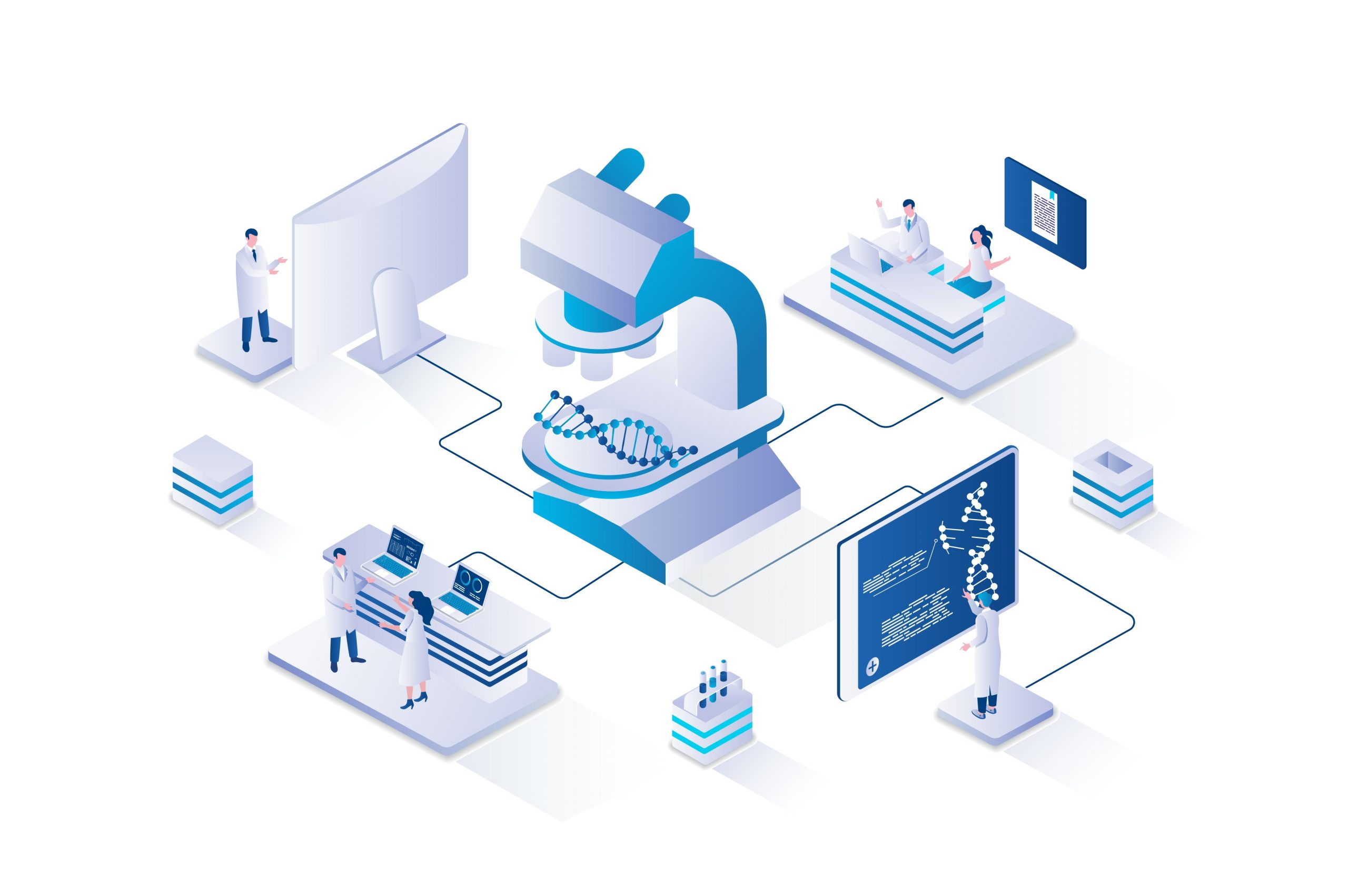
But how do we get to that future? Over the last several decades, advances in technology have allowed scientists to get up close and personal with tumours. We can now examine tumours in incredible detail: learn the sequence of the DNA inside the tumour, measure which genes get turned on or off, identify proteins tumours depend on to survive and even map how different cells in the tumour “talk” to each other (if you want to dive deeper into the architecture of a tumour, check out this blog post written by one of my labmates and former OpenThinker, Hannah Cahill).
These massive datasets, collectively referred to as “omics” data, have completely revolutionized how we study cancer. The Cancer Genome Atlas Program, for example, contains over 2.5 petabytes of data collected from over 11,000 patients. To put that into perspective, that’s about 400,000 DVDs worth of information. By sifting through all this data, researchers can identify patterns that predict whether a patient will respond to a therapy, why a tumour might become resistant to treatment or which biological pathways are keeping a cancer alive. For example, if a cancer relies heavily on a specific mutated protein to grow and evade treatment, that dependency could become a potential target for therapies. These targets are called biomarkers, which are measurable features of a cancer that can guide diagnosis and treatment, and some can become the basis for entirely new drugs. Some of these approaches have already transformed outcomes for patients. Certain targeted therapies have produced dramatic responses in cancers that were once very difficult to treat, such as chronic myeloid leukemia, melanoma and lung cancer.
However, these therapies didn’t just appear overnight. Even when a promising target has been identified, scientists are then tasked with an even harder job: creating and developing a drug. And this is where I come in! Fortunately for me (and my strong dislike for chemistry) we’ve already jumped the first hurdle, which is creating a drug. Now it’s up to me to make sure it actually works to stop cancer in the lab. My aim for this OpenThink blog series is to give a peek behind the curtain of the drug development process, from understanding the biology of a tumour to getting a drug into the clinic. Whether you’re living with cancer, supporting someone who is or just curious about the “why” of cancer and how treatments are developed, then this series is for you. It’s a long road from an idea in a lab to a treatment in a hospital, and I hope you’ll join me for (at least part of) the ride!


