When choosing seafood, you’ve likely heard this debate: wild fish are healthier than farmed. But is this true? Let’s set the record straight. Whether wild or farmed, fish is one of the most nutrient-dense foods on the planet. It’s crucial to both heart and brain health and development and it’s time to bust some common myths and shine a light on the real science behind what’s on your plate.
Myth # 1: Wild fish are more nutritious than farmed.
When it comes to the choice between wild and farmed at the supermarket people often ponder and assume that wild fish is more nutritious than farmed. The truth? There is no significant difference in the nutritional value of farmed vs wild fish. Both options are excellent sources of high-quality protein, essential fatty acids like omega-3 fatty acids and key vitamins and minerals that contribute to the maintenance of our daily health. Fish are what they eat and farmed fish are fed nutritionally balanced diets designed to support their growth, immunity, and nutrient retention. Whether wild or farmed, you’re still getting the good stuff.
Myth #2: The Colour of Farmed Fish Means It’s Artificial or Less Healthy.
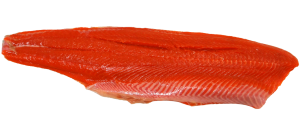
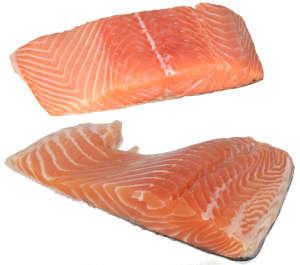
Fish colour is influenced by species and diet and not by nutritional quality. For example, Atlantic salmon and sockeye salmon have naturally different pigmentation, which can lead consumers to mistakenly assume that a darker fillet means a fish is more nutritious. In reality, different salmon species retain varying levels of pigment, so it’s important not to judge health benefits based on colour alone.
Wild salmon get their pink hue from eating krill and shrimp, which are naturally rich in carotenoids like astaxanthin. Farmed salmon are fed specially formulated diets with added natural or synthetic astaxanthin to achieve a similar hue and provide antioxidant benefits. This pigment is not a dye, and it’s not harmful as astaxanthin is a powerful antioxidant that supports both fish health and human health.
Myth #3: Farmed Fish Has More Mercury Than Wild Fish
Farmed fish generally have lower mercury levels than their wild counterparts. Why? This is because farmed fish consume carefully controlled diets, unlike wild fish that feed in ecosystems where mercury can accumulate through the food chain. As a result, farmed fish are often considered a safer choice. That said, both farmed and wild fish may contain trace amounts of mercury. However, these levels are regularly monitored and regulated by governing bodies such as the CFIA or FDA , and are considered safe for consumption within established guidelines.
So, Why Eat Fish at All?
Wild or farmed, fish is a superfood for your brain, heart, and overall health. One of the most important components of fish is fish oil, which contains long-chain omega-3 fatty acids like DHA and EPA. These essential fats support brain development in infants and children, boost memory and cognitive function in adults, promote heart health by reducing inflammation and lowering triglycerides and support eye health and reduce the risk of age-related vision loss.
And the best part? If you’re eating a serving of fish 1–2 times per week, just a few servings of fatty fish like salmon, trout, sardines, or mackerel can provide your body with everything it needs to reap these nutritional benefits.
Bottom Line: Wild and Farmed Fish Are Both a Healthy Catch
If you’ve been avoiding farmed fish due to myths or misinformation, it’s time to reframe your plate. Both wild and farmed fish are safe, sustainable, and packed with essential nutrients. As long as you’re sourcing your seafood from reputable markets or suppliers, you’re making a heart- and brain-smart choice. Many consumers prefer wild salmon based on the belief that it’s healthier. Conflicting media messages and limited understanding of sustainability labels often lead to consumer confusion, highlighting the need for clear, science-based information about both wild and farmed seafood. Both wild and farmed salmon are nutritious and rich sources of omega-3 fatty acids. Farmed Atlantic salmon is an accessible and affordable alternative for regular salmon consumption.
So next time you’re at the seafood counter, don’t stress over wild vs. farmed. Focus instead on choosing a variety of fish and enjoying the health benefits that come with it.
For more information: https://link.springer.com/article/10.1007/s10499-022-00972-x
Header image by Freepik