
A clinic visit can change the course of a family’s month. Sometimes a year.
When Precious’ mother became sick in western Kenya, nobody rushed immediately to the hospital. They could not. First came the conversations people have when money is tight: maybe the fever would pass, maybe they could wait another day, maybe medicine from the local shop would be enough for now.
Treatment was not just treatment. It meant transport costs, consultation fees, missing work and buying medicine afterward. Little things stack up fast.
Then Daniel sent money.
Daniel is Precious’ older brother. These days, he lives in Melbourne and works construction. It is the kind of work that leaves your shoulders aching before lunch. Most days, he hauls steel, pours concrete and stands under brutal heat in a reflective vest while half-drunk coffees pile up beside unfinished buildings. Australian wages are good compared to what he could have earned back home, sure, but “good” is relative. Rent eats a chunk. Transportation eats another. By the end of the week, there is often not much left.
Last year, Daniel missed Precious’ wedding because his supervisor would not approve leave during a major project deadline. Instead of dancing with his family or sitting beside his mother during the ceremony, he watched shaky phone videos during breaks at work, dust still stuck to his boots.
Part of that same paycheck eventually helped pay for his mother’s clinic visit.
That is the strange arithmetic of migration. People leave home chasing opportunity, and somewhere along the way their earnings begin stretching across borders, across emergencies, across entire households.
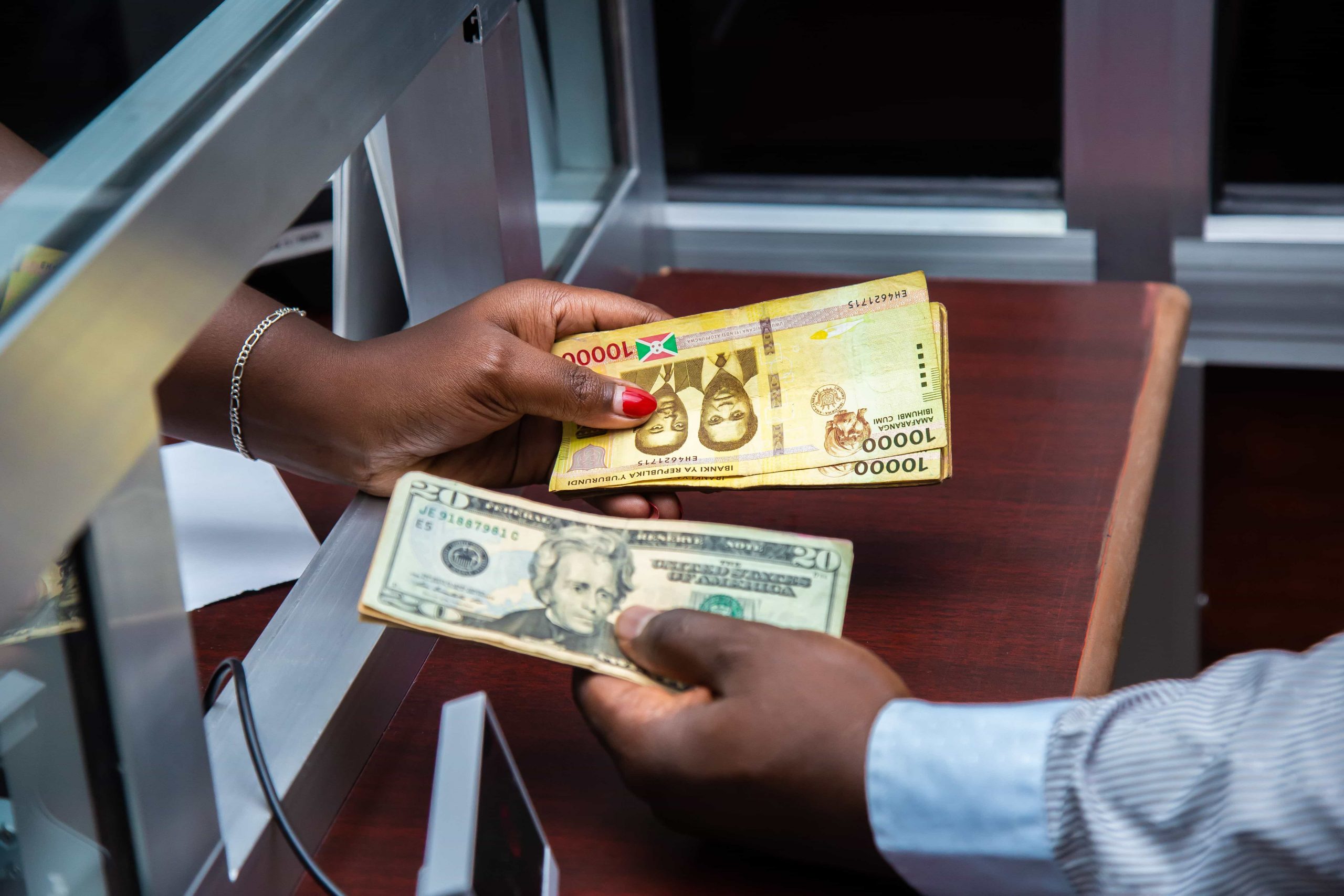
We call this remittances: money migrants send back home to support family. It sounds technical when economists say it. In reality, it is much more ordinary. A daughter in London helping her parents pay medical bills. A brother in Toronto sending grocery money. Someone in Singapore covering school fees for younger siblings because, well, somebody has to.
In many cases, remittances flow from wealthier countries to developing ones, where wages are lower and everyday costs can be harder to manage. That movement matters because the same paycheck can live two very different lives depending on where it lands. A week of overtime in Melbourne can become months of groceries somewhere else. Money that barely covers rent, food and transport in one country can change the rhythm of daily life in another.
Economists usually call this purchasing power parity, or PPP. The basic idea is simple: money is not only about the number printed on it, but about what that number can buy in a particular place. Part of that difference comes from the exchange rate between currencies, while part comes from differences in the cost of everyday goods and services. For non-economists, this simply means that a paycheck which feels fairly ordinary abroad can provide far greater support once it reaches home.
Daniel is not rich in Australia. Not even close. But once part of his paycheck is converted and sent home, it can do things that would be much harder for Precious’ family to manage on local wages alone. It can pay for transport to the clinic. It can cover medicine. It can make waiting less dangerous.
For families living this reality, the concept feels simpler: the money arrived in time.
In the months to come, my posts will open up the conversation around remittances and how they shape family life across borders. I hope to move beyond the idea of remittances as simple financial transfers and explore how they affect healthcare, education, household planning, celebration, obligation and emotional connection. Through these posts, I want to make economic ideas more accessible by showing how they appear in the everyday decisions families make when someone they love works far from home.


