
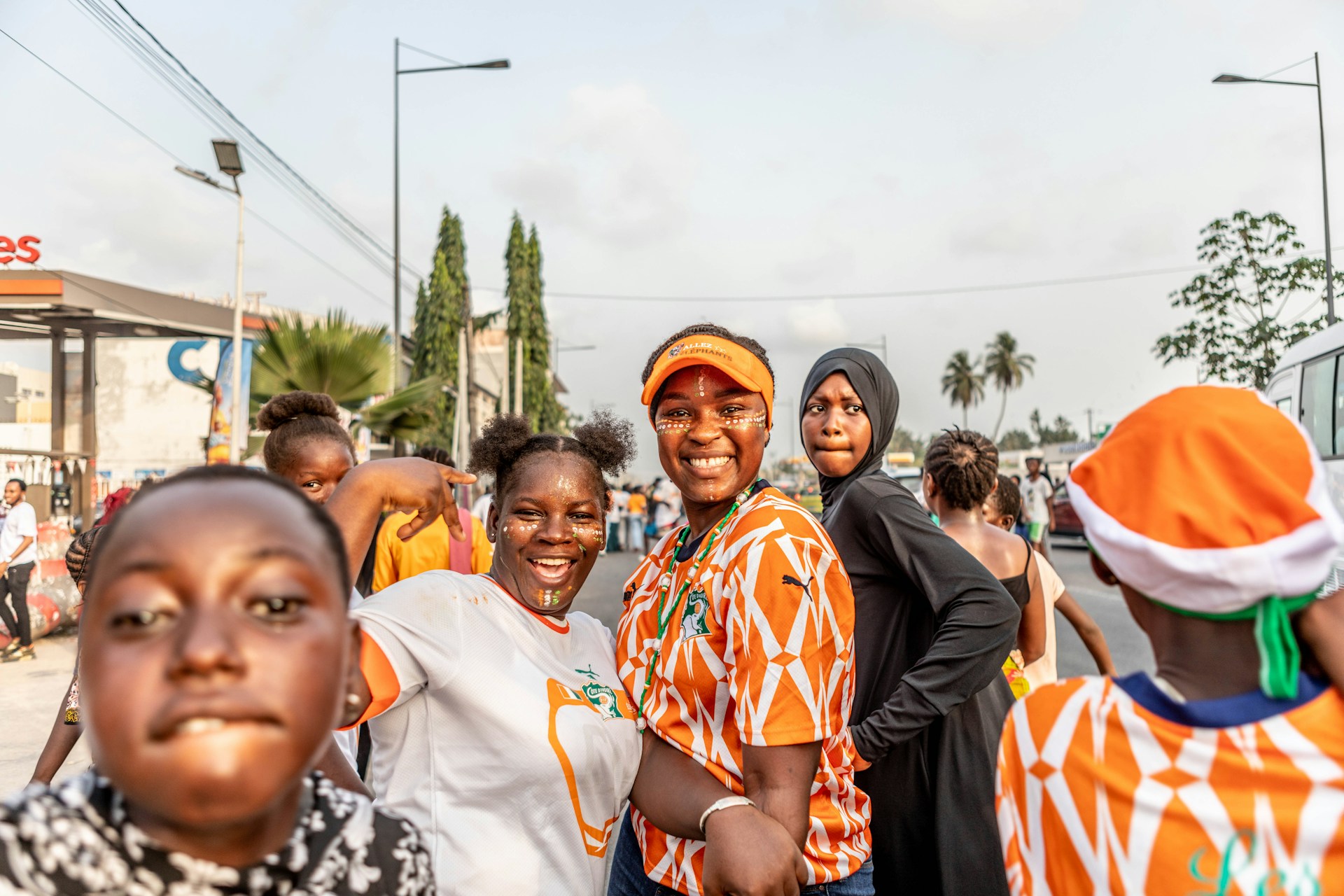
Remittances are not always about hardship.
Sometimes, the money arrives ahead of a celebration.
Each year, Rahim sends part of his Dubai salary home to Dhaka ahead of Eid. He works ten-hour days at a logistics warehouse. At night, he returns to a small, shared apartment. He takes online business classes and hopes for a management job. His money pays for groceries for a larger family dinner. It buys new clothes for younger cousins excited about Eid shopping. Another part pays utility bills his parents postponed for weeks.
In Manila, Maria sends money home ahead of Christmas. Her siblings decorate the house and prepare meals for relatives from across the city. Maria works as a nurse in Singapore. Holiday periods often mean double shifts. She spends Christmas away from her family, caring for other people’s loved ones.
These are composite stories, not interview excerpts. I changed the names and small details. The situations are real.
These moments can seem small next to a flood or medical crisis. They still matter. Research links remittances to ceremonies and household spending, plus education and family obligations across distance.
A holiday meal. A school fee. A wedding contribution. A roof repaired ahead of the rainy season. These are part of economic life. Families use them to build stability, meaning and continuity.
Money from abroad can soften a crisis. It can add joy during better times too. Funds can pay a bill at the right moment. They can make a celebration fuller. The migrant can still be absent from the room.
More than transactions
The stories differ across countries, religions and circumstances. They share one thread. Remittances keep migrants involved in family life at home across great distances. A transfer can pay for medicine during illness. It can buy food for a holiday or cover tuition for a school year. It can bring reassurance during a difficult month.
What moves through remittances is rarely just money.
The more I study remittances, the less I see them as simple financial transactions. My research asks how money sent across borders changes household welfare. That includes spending tied to health and education. I am now paying closer attention to another part of that story: the role remittances play in celebrations, family obligations and moments of joy.
I want this research to broaden how we think about remittances. Their value is not limited to crisis relief or basic expenses. We should ask what families gain from these transfers and what the money lets them do. Joy belongs in that conversation too.
Photo by Yanick Folly on Unsplash


