
OLYMPUS DIGITAL CAMERA
What do you think of when you hear the term invasive species? For most people who are familiar with this term, they think about plants and animals that are non-native to an area and are causing (often negative) impacts to the environment. While the environmental impacts are undoubtedly important, they are only half the story. As mentioned in my first blog post, people and the environment exist in a social-ecological system and have a two-way relationship where people impact and are, in return, impacted by the environment. This relationship can motivate people to deliberately alter the environment around them through the introduction of non-native species. Sometimes this looks like planting something in a garden for aesthetics. Other times, people who migrate to a new place want to bring with them species from home to make the new location feel more familiar. This was particularly common during European colonization, when settlers would often bring with them plants, like the grass in their yards, to maintain a consistent property appearance and animals, like cattle, to be able to eat familiar meat. In this way, many introduced species play a big role in their ability to maintain a common culture.
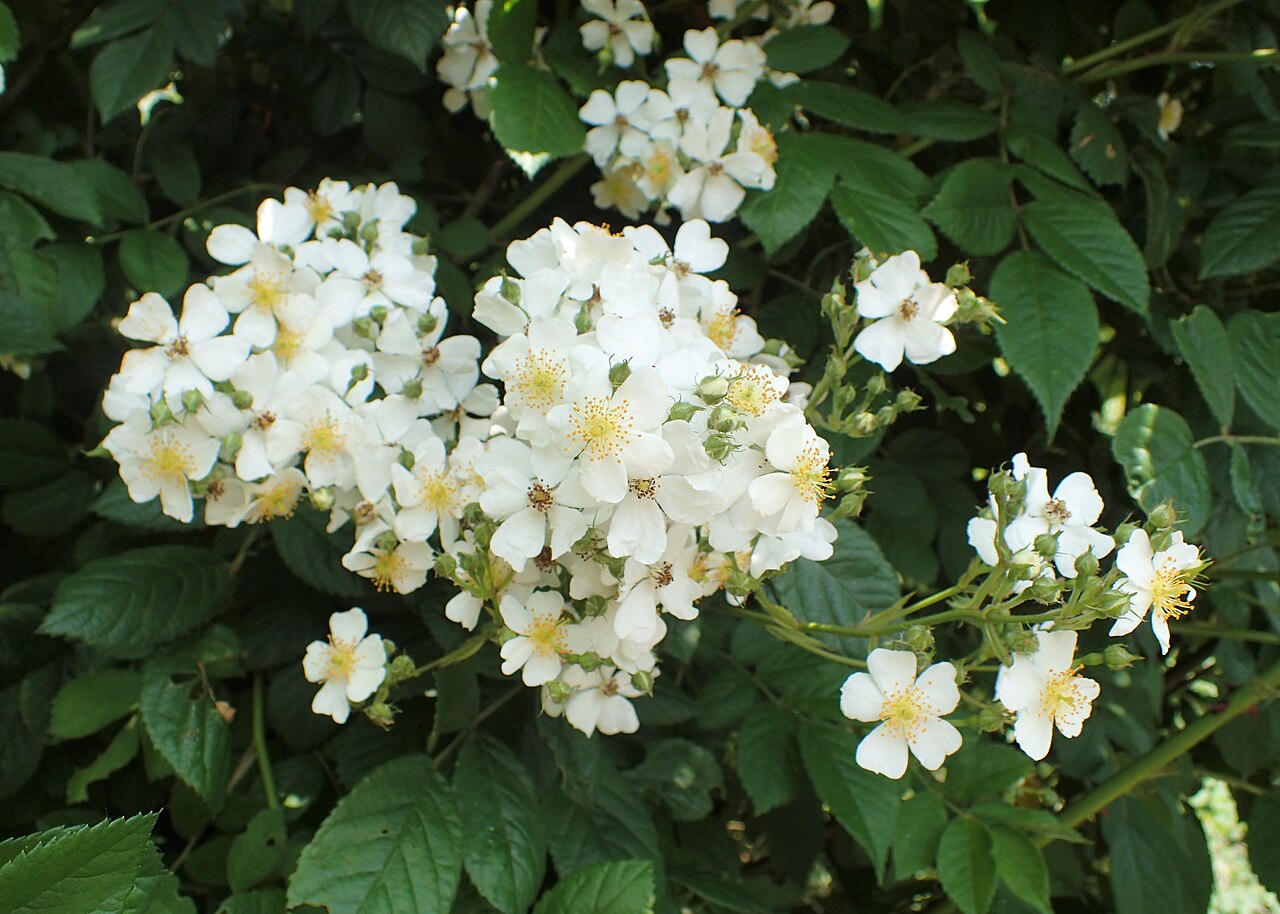
These culture-based introductions continue today, with many invasive species coming from unknowing people accidentally introducing them with the hopes of achieving cultural benefits. For example, many ornamental garden plants, such as the Multiflora Rose seen in the cover image, are added to gardens without knowing that they spread well and compete with native plants. These introductions are usually not caused by people trying to establish a local population; they are true accidents from a lack of awareness. Do you know the origin of all the plants in your garden? I know I have only started thinking about it in the past decade. So, education on which species to watch out for, how species establish and what impacts they have on the environment can mitigate future introductions through these actions.
However, once these culturally appealing non-native species have been around for a while, it’s more complicated.
Sometimes, while a non-native species is establishing in an environment, it is simultaneously becoming culturally integrated. This means the species has become so pervasive in the system that the local culture begins to shift to accommodate it. These species slowly become part of the cultural identity of a place and can even result in historical confusion about whether those species originate.
It is critically important for people who are tasked with managing and controlling invasive species to be aware of and incorporate the cultural impact of invasive species in their strategies. When species are culturally important, people are more likely to continue to intentionally add them to their area. Moreover, attempts at control such as eradication can be controversial when people are concerned about lethal action against beloved species. For example, in the early 2000’s programs designed to eradicate hedgehogs that had been introduced into Scottish islands received backlash due to the animal’s cultural significance on the mainland. As such, awareness of the cultural importance of species and attempts to engage the people with those relationships with them can facilitate smoother management implications.
There are three categories of these cultural impacts as described by Pfeiffer & Voeks in 2008: culturally impoverishing invasive species, culturally enriching invasive species and culturally facilitating invasive species. For each of these categories the social and cultural systems in an area are experiencing the impacts of a species that is introduced and established.
Culturally impoverishing species will negatively impact a native species that had previous cultural importance and therefore harm the culture.
Culturally facilitating species travel with migrating human populations and allow them to maintain their cultural practises in a new place.
Culturally enriching invasive species, despite ecological impacts, undergo the highest form of cultural integration. They become such a central part of the culture that they become linked to the place where they are introduced. Moreover, overtime they may lose their ”invasive” title.
Can you think of any examples of species that fit into these three categories? Over the next few posts, we will explore case studies of each of these types of invasive species through the stories of how they were moved around and how they impact culture, in addition to the environment.
Photo: Krzysztof Ziarnek, Kenraiz, CC BY-SA 4.0, via Wikimedia Commons


