
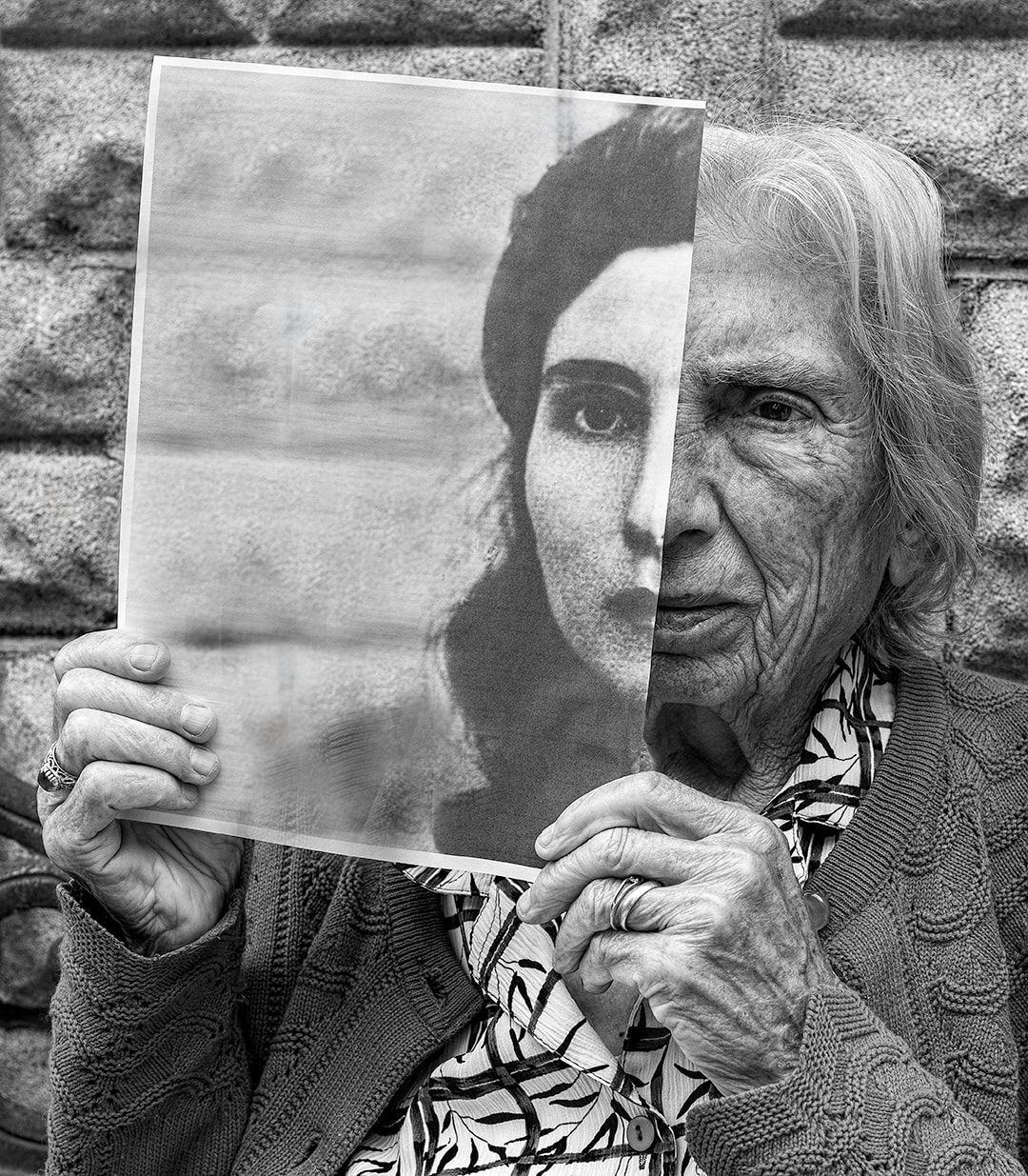
Photo by Tony Luciani
“Before this income, I was not living, I was just existing… (with this income) at least I can pay my rent”
– A 66-year-old senior, recipient of the Old Age Security Pension
We are all heading toward the same destination! You might wonder which destination? That’s valid. The answer is growing old! Aging is something that, as human beings, we are expected to experience if we are lucky enough. When you think about aging, various thoughts may cross your mind. Personally, one of the first things that comes to my mind is financial security. I often think about how much I need to work and save now in order to support myself when I am no longer physically able to work. It makes sense, doesn’t it? Whether through pensions, savings or government support, we try to make sure that we will have a stable source of income later in life.
Those who are currently employed or have worked in the past share something in common: the privilege of having a job that can secure a pension for their old age. Although not all jobs offer equal security, paid work can provide the opportunity to earn income and, in many cases, contribute toward retirement benefits. I want to draw your attention to the other side of the story, where some individuals do not have the opportunity to work in paid jobs that contribute to a pension. This can happen due to several life conditions or any other reason, such as having to care for family members (mainly kids) or interrupted work histories due to physical, mental or family conditions.
I invite you to take a moment and think about someone in your life who couldn’t work for some reason when they were young. For me, that person is my close friend’s mum. She is a woman in her sixties who devoted her whole life to raising her children and caring for her family. Although her work at home was demanding and very valuable, it did not provide her with an independent income or retirement pension.
In recent decades, some governments have started implementing financial policies to support individuals regardless of their working history, so that when they reach retirement age, they will be eligible for a government-funded pension. In 1951, the Canadian Parliament passed the Old Age Security (OAS) Act, providing a universal pension for all who were 70 or older. Later, the age requirement was lowered to 65. Today, the OAS program offers a basic pension to all seniors aged 65 and older, as long as they are Canadian citizens or legal residents and have resided in Canada for at least 10 years since age 18. This basic income was later supplemented by a non-taxable benefit for low-income older adults called the Guaranteed Income Supplement (GIS).
The different life trajectories that lead to not having a pension in later life, and the income support programs paid to these individuals, are exactly what inspired my research. I want to understand the impact of Canadian income support programs on the well-being of low-income older adults, and, specifically, those receiving GIS. I want to investigate how this income will affect well-being across physical, mental, social and material dimensions.
Much of the existing research in this area has relied on numbers and statistics. These studies are important, but they do not always show what income support means in people’s daily lives. In my research, I will speak directly with older adults about their experiences, their needs and the ways OAS and GIS impact security, dignity and well-being.
In my coming blog posts, I will touch more on these pensions and their impact on the well-being of older adults from different perspectives.


