
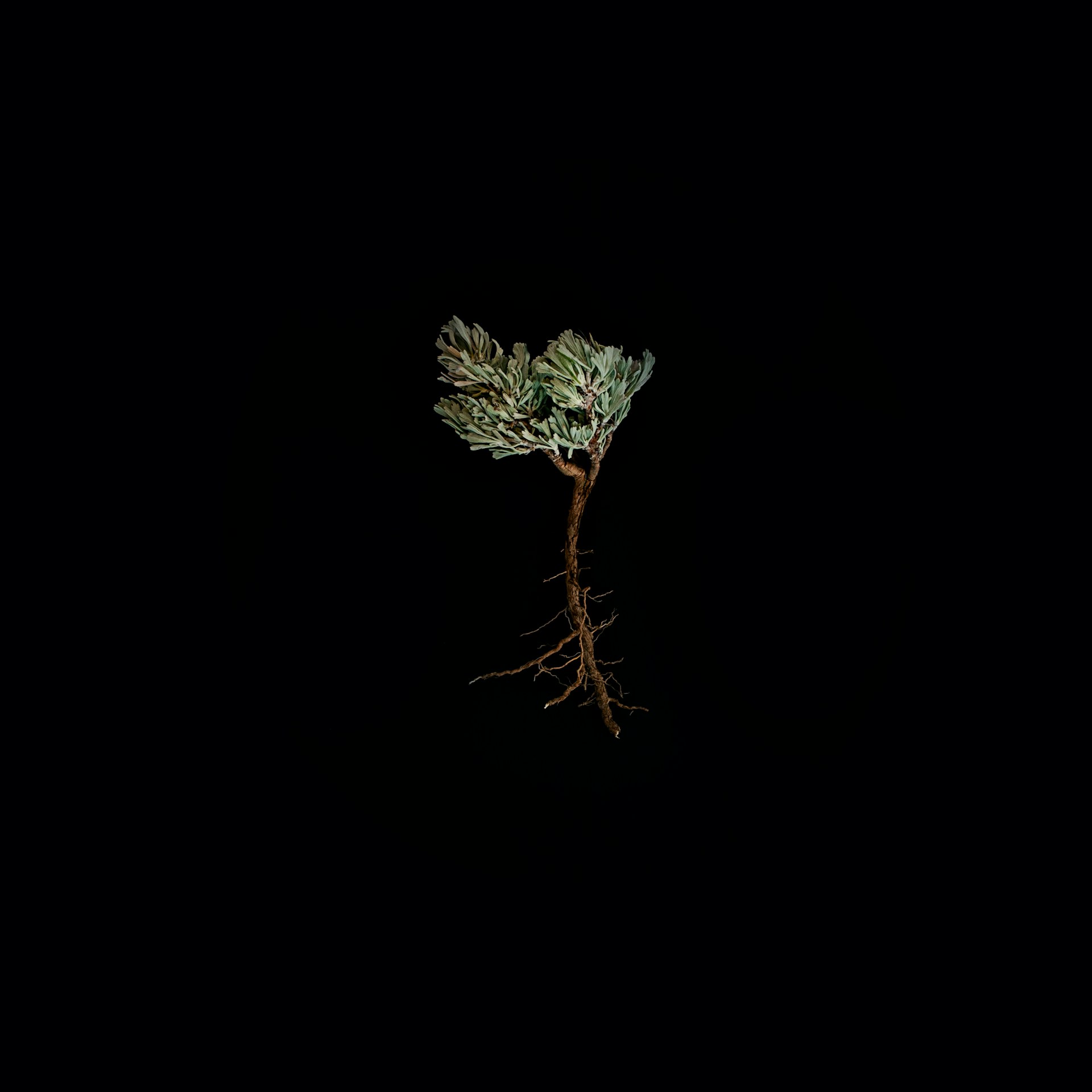
In my last blog post, we talked about the science of cancer heterogeneity and how it can help explain why therapies don’t work the same for everyone. But what about cancer recurrence? It can look like a treatment has been successful on the outside. The tumours have disappeared and the scans are clear. However, if we zoom in, the story can be very different. Like a weed that seems gone after its leaves have been cut away, cancer can sometimes leave roots behind beneath the surface. These little “roots” are a small group of cells called cancer stem cells, and they’re thought to play a central role in cancer recurrence.
To understand what a cancer stem cell is, we first need to talk about normal stem cells. Stem cells are a specialized type of cell with two remarkable abilities. First, they can make more copies of themselves, a process called self-renewal. Second, they can develop into different types of cells to maintain and repair the tissues and organs in which they live, in a process called differentiation. So, you can think of stem cells as the body’s sort of built-in maintenance and repair system.
Cancer stem cells are cancer cells that have hijacked these stem cell abilities and put them to terrible use. Unlike “regular” cancer cells, which grow quickly but may not survive forever, cancer stem cells can use self-renewal to keep making copies of themselves, and differentiation to produce more of the “regular” cancer cells. In fact, a relatively small number of cancer stem cells can regenerate an entire tumour, something that most other cancer cells can’t do very effectively. While we don’t know exactly where cancer stem cells come from, current evidence suggests they can arise from long‑lived stem cells that normally live in a tissue or from cancer cells that gradually gain stem‑cell‑like traits. Either way, the result is the same: a small, stubborn group of cancer cells that are very hard to get rid of.
This stubbornness really starts to matter when we treat cancer. Many standard therapies, like chemotherapy and radiation, are designed to kill fast‑dividing cells. Most of the regular cancer cells fall into that category as they divide and proliferate rapidly. Cancer stem cells, on the other hand, are remarkably good at surviving treatment. They have several tricks that help them evade chemotherapy and radiation. They can slow down their rate of division, repair some types of damage more effectively and even pump chemotherapy drugs back out of the cell before they can do their job. The result is that a treatment can wipe out the vast majority of the tumour while leaving behind a small number of cancer stem cells.
These surviving cancer stem cells can remain hidden for months or even years before beginning to divide again. Over time, they can rebuild the tumour, leading to cancer recurrence. You can think of it like a weed where the leaves are the regular cancer cells, and the roots are the cancer stem cells. Chop the leaves off all you like, but if the roots are intact, it’ll find a way to regrow. However, unlike a weed where we can see the roots, the remaining cancer stem cells can exist in such small numbers that they can’t be detected with scans. Emerging technologies like liquid biopsies have the potential to allow us to identify these microscopic sources of cancer recurrence by detecting tiny fragments of cancer DNA in the blood and predict whether a cancer may return before a tumour has a chance to grow.
So instead of just asking, “how do we shrink a tumour?” we’re increasingly asking, “how do we make sure it never comes back?” As you might have guessed, that starts with targeting the cancer stem cells themselves. This idea is exactly what motivates my own research! In the lab, I’m currently working on a new drug designed to target a protein that some cancer stem cells rely on to resist treatment. The hope is that in the future, combining conventional therapies to kill the regular cancer cells with drugs that disarm cancer stem cells will give patients deeper, longer‑lasting responses and make cancer recurrence far less likely.
Photo by Blake Weyland on Unsplash


