
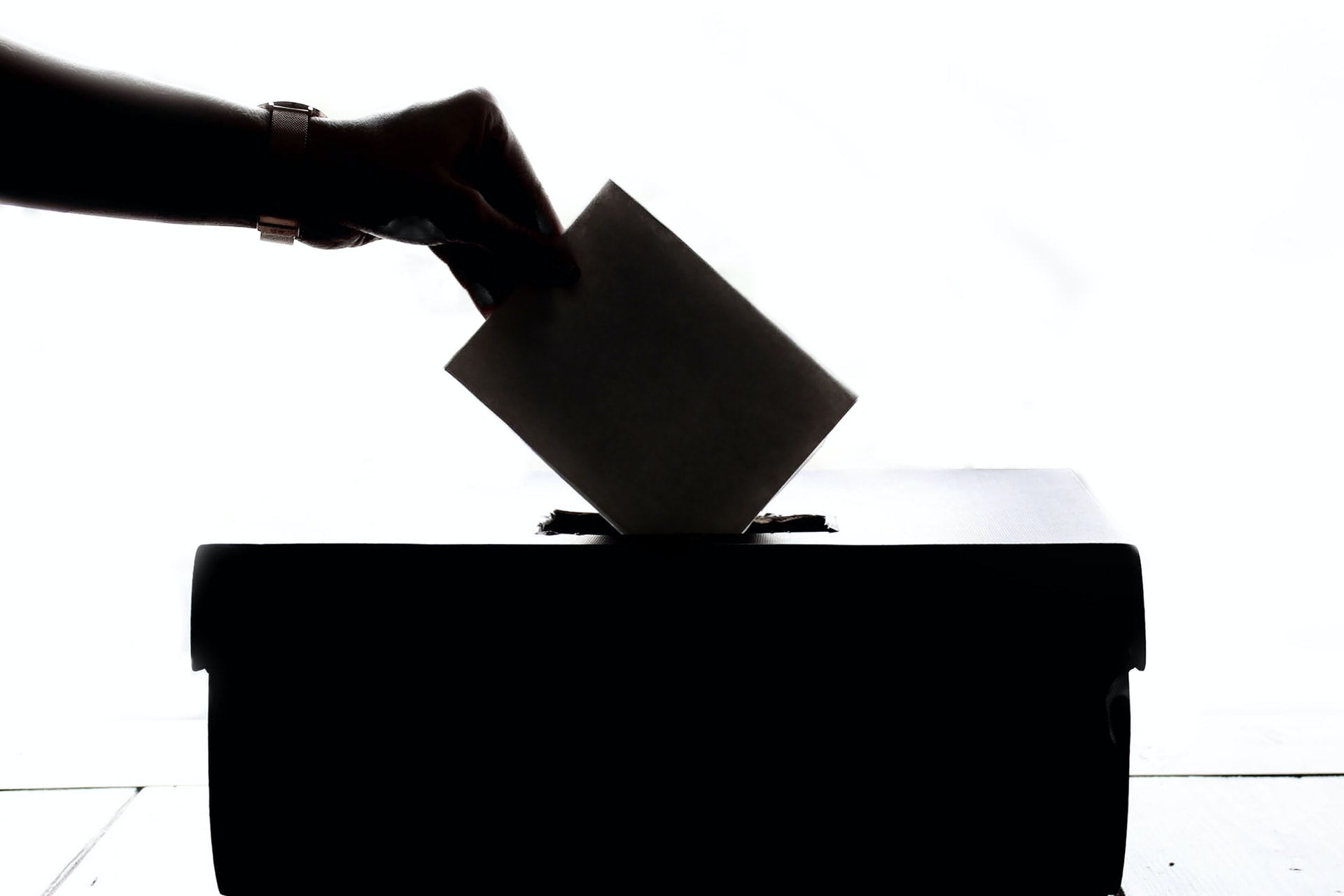
On September 20th, the Liberals held on to their minority government, winning votes from—*checks notes*—less than 15% of the Canadian population (or about 1 in 5 eligible voters).
Although the Conservatives got more votes, the Liberals hold 33% more seats in parliament. They also hold more than six times the number of NDP seats, despite not even doubling their share of the vote. This is what we call democracy in Canada.
During his 2015 election campaign, Prime Minister Justin Trudeau famously promised to “restore democracy in Canada” and “make every vote count” by eliminating the country’s first-past-the-post electoral system. After winning a majority (with less than 40% of votes, representing one-fifth of the population), he abandoned the promised reform.
Let me be clear: it is a massive problem for our democracy that most Canadians are not represented in parliament by the person or party they voted for. First-past-the-post incentivizes cynical, strategic campaigns that shore up only enough support to win key ridings, leaving most Canadians’ voices unheard—by design. Electoral reform is greatly needed in Canada.
But there are other, deeper flaws in Canadian democracy, which electoral reform alone cannot fix.
Proportional representation, for example, can help to ensure that every vote finally counts. But many of the people affected by Canadian policies do not—indeed, cannot—vote in Canadian elections.
Canadian democracy excludes the people who live and work in Canada who do not hold Canadian citizenship. It also excludes young people, as well as the many people who face significant barriers to voting (e.g., work schedules, care responsibilities, and lack of transportation). These barriers disproportionately affect poor and marginalized communities. These are people who matter, and their voices must be heard.
Zooming out, we can also consider how the political decisions made in Canada have consequences for the entire global community. Billions of people affected by these decisions will never vote in a Canadian election. Does it follow, therefore, that their lives and livelihoods are irrelevant to Canadian democracy? Again, these people matter. Their voices must be heard.
***
On September 30th, the country observed a new holiday, the National Day for Truth and Reconciliation. The discovery of thousands of children’s bodies in unmarked graves near residential schools has awakened many to the reality of genocide committed by Canada against the Indigenous people on whose land we reside. The implications of Canada’s genocide for the limits of its democracy cannot be understated.
The dead cannot vote in Canada, nor can their descendants who were never born. Consider how genocide has effectively erased millions of people from existence—millions who, if living, could claim a voice in the politics of this land. Today, only about 5% of the people living on the land we call Canada are Indigenous—a number that is easily overruled, marginalized, and shunted aside by the Canadian state, under the guise of democracy.
But Indigenous people matter. Every child matters. These voices must be heard.
***
The spirit of democracy holds that all people deserve a voice in the decision-making processes that shape their lives. While most Canadians value democracy, many have become frustrated and disenchanted by the gaps between democratic ideals and their practice in Canadian politics. Under the current system, many people are treated as if they do not matter. Listening doesn’t win elections, so many voices are never heard. Care and respect are absent from the political process.
Elections do not guarantee democratic outcomes. Likewise, democracy is about so much more than elections. But it’s treated like a numbers game: every couple of years, politicians stage a fierce competition for more power. And that’s how we all lose.
Photo by Element5 Digital from Pexels


