
Childhood experiences can shape our mental and physical health for decades. But how do researchers actually measure something as personal and complex as childhood trauma?
Adverse childhood experiences (aka ACEs) encompass a range of highly stressful and potentially traumatic events occurring during childhood, such as abuse, neglect and household dysfunction. For nearly 30 years, one questionnaire has shaped how researchers, healthcare providers and policymakers answer that question. It’s called the Adverse Childhood Experiences (ACE) questionnaire and it has changed the way we think about the lasting impact of childhood adversity. But like any scientific tool, it also raises an important question: are we asking enough about people’s experiences?
Before we get into that, it helps to understand how psychologists and researchers measure things in the first place.
Unlike height or weight, psychologists can’t directly measure thoughts, emotions or life experiences. Instead, we rely on questionnaires. Chances are you’ve filled one out before, whether you’ve rated a product online or answered questions at a doctor’s office. Questionnaires are one of the main ways psychologists turn the human experience into data.
But a questionnaire is only useful if it asks questions that truly capture the experience we’re trying to understand. Imagine I wanted to know how interested you are in this blog and asked, “How many times did you yawn while reading?” Your answer might tell me something about your level of interest, but it might also tell me how tired you are, what time of day it is, or whether someone nearby yawned first. I collected data, but did I actually measure your interest?
The same challenge applies when we try to measure childhood trauma.
In 1998, Vincent Felitti and colleagues published the landmark Adverse Childhood Experiences (ACE) Study. Participants were asked whether they had experienced different types of adversity during childhood, such as abuse, neglect or household challenges like parental substance use or divorce. Each experience counted as one point, which were then added together to create an ACE score, to a maximum of 10 points. The higher the participants’ score, the more ACEs they had experienced.
The findings were striking. People with higher ACE scores were, on average, more likely to experience depression, anxiety, substance use, chronic health conditions and other health challenges later in life. The study fundamentally changed how we think about health by showing that childhood experiences don’t simply stay in childhood — they can influence well-being across the entire lifespan.
Today, the ACE questionnaire is widely used in research and has influenced healthcare, education and public policy around the world. It helped shift the conversation from asking, “What’s wrong with this person?!” to “What happened to this person?”
As influential as the ACE questionnaire has been, it isn’t the whole story…
Childhood trauma can take many forms. Many questionnaires have been created since the original, and most ACE questionnaires ask about experiences like abuse, neglect or parental separation. But children can also experience trauma through events like losing their home in a fire; witnessing community violence; experiencing racism or discrimination; surviving a natural disaster or war; being bullied; or losing someone important, even a beloved pet. If we leave all those experiences out of a questionnaire, are we really capturing the full picture?
Research has since identified 32 types of potentially traumatic childhood experiences (as opposed to the original 10), but another question remains: is knowing whether something happened enough?
Let’s say two people answer “yes” to the question “Were you bullied by peers?”
One person was bullied once at a summer camp.
The other was bullied nearly every day for years in junior high and high school.
On a typical checklist-type questionnaire, both people receive the same score: 1. But I think we can all agree that those experiences are very different.
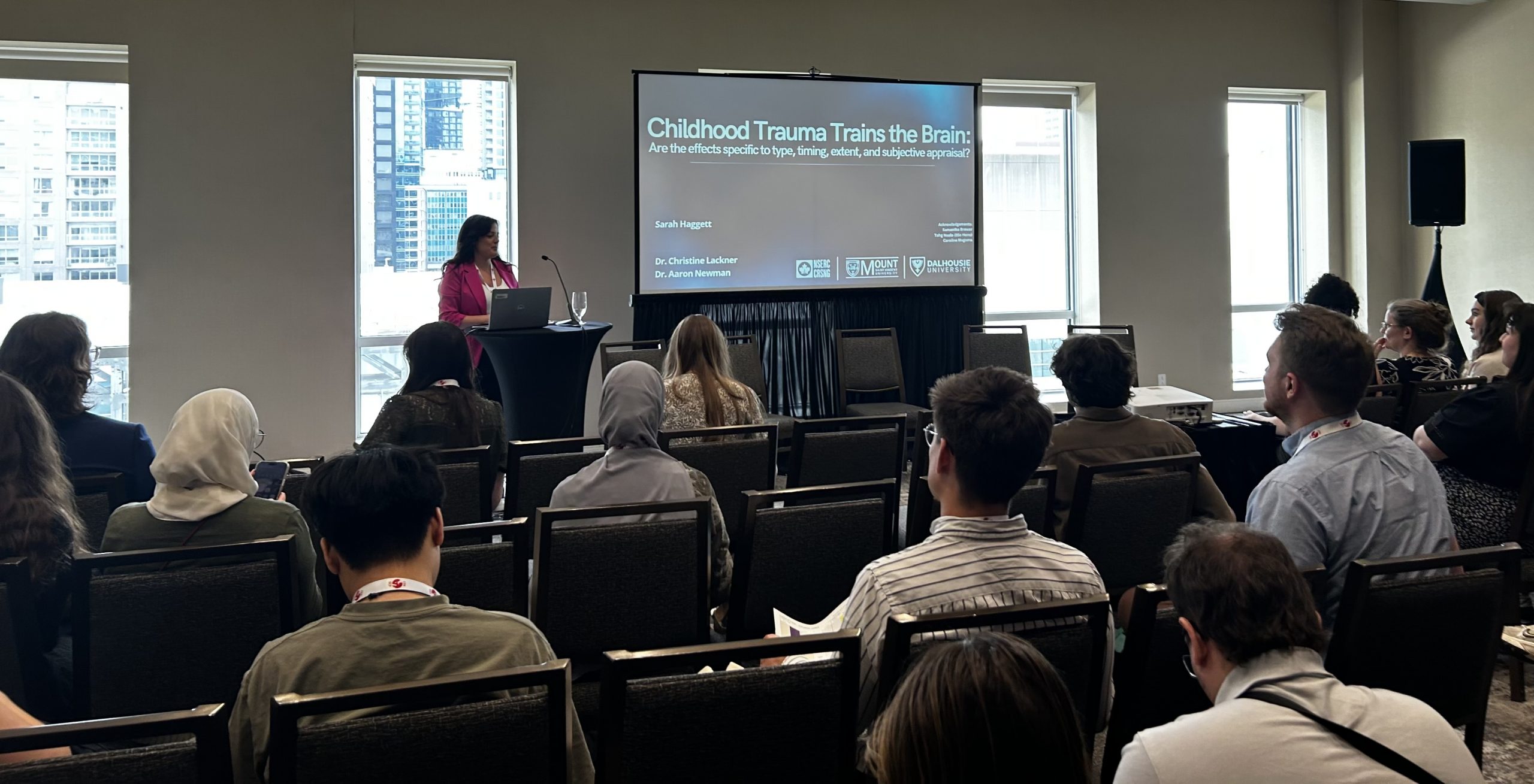
That’s the question at the heart of my research: is knowing whether something happened enough?
Rather than simply asking whether someone experienced a potentially traumatic event, we also ask questions like: How old were you? How long did it last? How stressful was it at the time? How much do you still think about it now?
Experiences are about more than whether something happened. They’re also about timing, duration and what that experience meant to the person living through it.
So, what does all of this mean?
Two people can have the same ACE score while carrying very different stories. I’m here to understand what the score alone can’t capture. I want to hear those stories, understand those differences and help explain why childhood adversity affects people in different ways. Ultimately, the aim of my research is to help researchers, clinicians and policymakers provide better support to children (and adults!).
Every questionnaire tells us a story. If we ask more questions with more details, we have a better chance of understanding how childhood experiences shape health and well-being across the lifespan.
In psychology, we’re in the business of measuring human experience. If we’re going to build research, healthcare and public policy on those measurements, we need to make sure we’re asking questions that tell your full story, not just the preface.


